
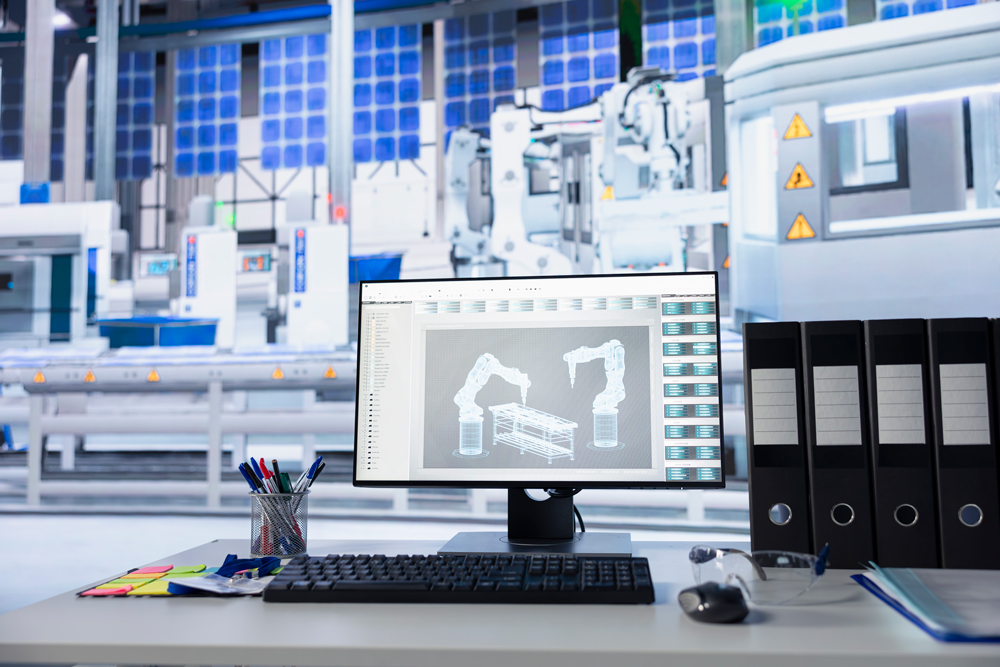
Smart manufacturing is the integration of data-driven technologies and advanced automation into the production process to optimize efficiency and output. It transforms traditional factories into intelligent systems that use real-time insights to remain competitive.
This guide explores how these intelligent systems are reshaping the industrial landscape and what businesses need to know to stay ahead. By leveraging intelligent systems, companies can move from reactive to proactive operations.
The transition to smart systems is essential for modern businesses looking to increase their speed and agility in an ever-changing global market.
What is the Concept of Smart Manufacturing?
Smart manufacturing (SM) is the information-based, event-driven, and collaborative orchestration of business, physical, and digital processes. According to CESMII, this orchestration is what efficiently drives manufacturing performance improvements.
While traditional methods rely on manual updates, smart manufacturing uses connectivity and real-time access to data to improve processes. This enables dynamic adjustments based on up-to-the-second information.
Defining the Intelligent Factory Environment
An intelligent factory environment uses sensors, cloud computing, and AI to create a self-optimizing production floor. These technologies allow machines to communicate with each other to reduce errors and maximize uptime.
What is Another Name for Smart Manufacturing?
Common synonyms for this approach include “Intelligent Manufacturing,” “Digital Manufacturing,” and “Advanced Manufacturing.” These terms all describe the shift toward a more connected and data-reliant industrial sector.
What are the Six Pillars of Smart Manufacturing?
The six pillars of smart manufacturing are the foundational elements that enable a digital ecosystem to function effectively. These pillars ensure that data flows seamlessly between the physical machines and the digital management systems.
Connectivity and Industrial Internet of Things (IIoT)
IIoT serves as the backbone of the smart factory by interconnecting devices and machines. This network allows for constant communication, giving managers real-time visibility into every part of the production line.
Data Analytics and Real-Time Insights
Big data analytics plays a critical role in predicting maintenance needs and optimizing supply chain logistics. By analyzing historical and current data, factories can prevent breakdowns before they happen, saving time and money.
Human-Machine Collaboration and Workforce Evolution
The workforce is evolving to work alongside cobots and automated systems rather than being replaced by them. This collaboration focuses on human workers managing high-level strategy while machines handle repetitive or dangerous tasks.
Is Industry 4.0 the Same as Smart Manufacturing?
Industry 4.0 and smart manufacturing are frequently confused, but they represent different scopes of the same industrial evolution. Understanding the nuance between them is key to implementing the right digital strategy.
Distinguishing the Vision of Industry 4.0 from Practical Smart Manufacturing
Industry 4.0 is the broader historical movement or the “Fourth Industrial Revolution” that encompasses the entire vision of connected systems. Smart manufacturing is the specific application of those technologies within the production environment to achieve practical goals.
Frequently Asked Questions about Smart Manufacturing
Smart manufacturing addresses the modern need for efficiency and scalability in industrial production. It provides a framework for businesses to handle complex demands while maintaining high quality and safety standards.
What are the primary benefits of smart manufacturing?
Smart manufacturing delivers measurable improvements in speed, agility, quality, and profitability, as noted by CESMII. It also enhances safety, asset reliability, and energy productivity across the factory floor.
Operational data indicates that smart manufacturing reduces machine downtime and inventory costs while increasing total throughput. These systems improve forecasts and increase overall labor efficiency through better resource allocation.
Specific gains include automation reducing cycle time and quality errors, leading to higher asset utilization. Advantech highlights that these technologies optimize processes through data-driven decision-making and increased flexibility.
What are the biggest challenges in implementing smart manufacturing?
The primary challenges include the initial investment costs and potential cybersecurity risks associated with connected devices. Additionally, companies must address the technical skills gap by training their workforce to manage digital tools.
How does smart manufacturing improve sustainability?
Sustainability improves through process optimization based on energy usage insights and reduced waste. CESMII reports that energy productivity improves by minimizing defects, scrap, and overproduction.
Is smart manufacturing only for large-scale enterprises?
No, small and medium enterprises (SMEs) can adopt modular smart technologies. By starting with specific sensors or data tools, smaller businesses can gain the benefits of automation without a massive initial overhaul.
What role does AI play in smart factories?
Artificial Intelligence (AI) uses machine learning for advanced quality control and autonomous decision-making. AI can detect patterns in production data that humans might miss, ensuring consistent product quality.
What is the role of 5G in smart manufacturing?
5G provides the high-speed, low-latency connectivity required for real-time machine communication. This allows for faster data transfer, supporting mobile robotics and remote monitoring with zero lag.
The Future of the Industrial Landscape
The future of the industrial landscape is defined by the transformative impact of smart manufacturing on the global economy. Adopting these technologies is no longer an option but a necessity for long-term viability.
As systems become more interconnected, the ability to act on real-time data will separate market leaders from their competitors. Smart manufacturing ensures that factories remain resilient, sustainable, and productive.
By embracing digital transformation today, businesses can secure their place in the future of intelligent production.