
Key Takeaways
- The MyDIGITAL initiative is a comprehensive roadmap to transform Malaysia into a digitally-driven, high-income nation by 2030.
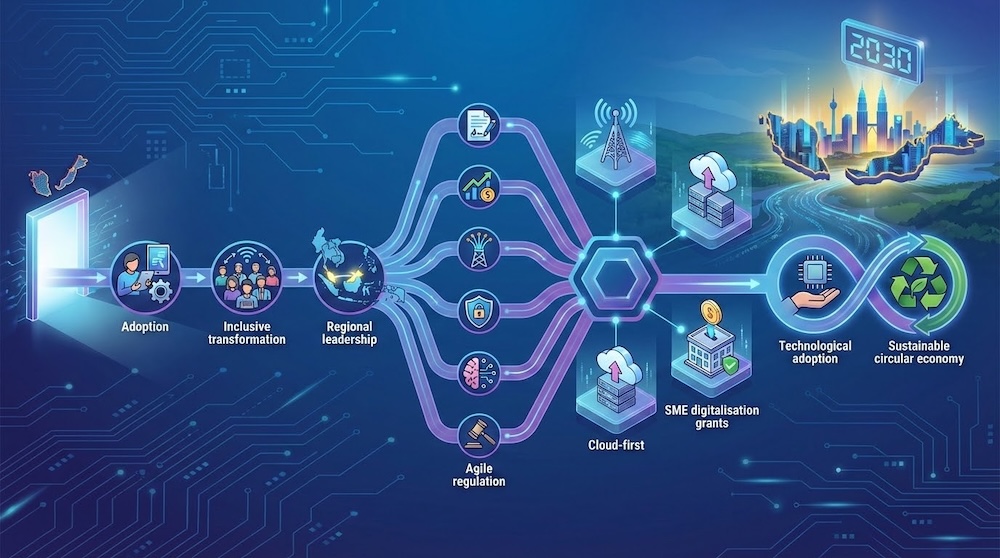
- Implementation occurs across three distinct phases, focusing on adoption, inclusive transformation, and regional leadership.
- The blueprint is built upon six strategic thrusts designed to enhance public sector efficiency, economic competitiveness, and digital infrastructure.
- Businesses can benefit from accelerated 5G rollout, cloud-first strategies, and specific SME digitalisation grants. – Successful digital transformation requires a dual focus on technological adoption and sustainable circular economy principles.
The MyDIGITAL Vision: Navigating Malaysia’s Transformation into a Regional Tech Powerhouse
The MyDIGITAL vision is Malaysia’s strategic commitment to becoming a regional leader in the digital economy by fostering a digitally-enabled society. This initiative serves as the masterplan to integrate digital technologies across all sectors of the economy.
For businesses, this vision represents a fundamental shift in how commerce is conducted, moving from traditional models to data-driven decision-making. By aligning with this vision, enterprises can tap into a more robust national infrastructure and a digitally literate workforce.
This transformation is not merely about technology; it is about creating a collaborative ecosystem where the government, private sector, and citizens work together. This synergy aims to ensure that Malaysia remains competitive on the global stage while driving sustainable economic growth.
Decoding the Malaysia Digital Economy Blueprint: More Than Just a Policy
The Malaysia Digital Economy Blueprint is a comprehensive policy document that outlines the trajectory for the nation’s digital evolution through the year 2030. It provides a structured approach to digital adoption, ensuring no sector is left behind in the transition.
What is Malaysia’s Digital Economy Blueprint?
This blueprint acts as the primary roadmap for the nation’s digital journey, formulated by the [Economic Planning Unit (EPU) with input from diverse stakeholders](https://ekonomi.gov.my/sites/default/files/2021-02/malaysia-digital-economy-blueprint.pdf). It is currently implemented and monitored by MyDIGITAL Corporation to ensure accountability and progress.
The initiative is structured into [three distinct phases](https://ekonomi.gov.my/sites/default/files/2021-02/malaysia-digital-economy-blueprint.pdf) to ensure manageable growth:
- Phase 1 (2021-2022): Focused on strengthening the foundations of digital adoption.
- Phase 2 (2023-2025): Driving inclusive digital transformation across various industries.
- Phase 3 (2026-2030): Positioning Malaysia as a regional leader in digital content and cybersecurity.
Defining the ‘Digital Economy’ for the Modern Malaysian Enterprise
For a Malaysian enterprise, the digital economy refers to the economic activities resulting from billions of everyday online connections among people, businesses, and devices. It encompasses the use of cloud computing, artificial intelligence (AI), and e-commerce to enhance productivity.
The Strategic Framework: The Six Pillars of Growth
To achieve its objectives, the blueprint is anchored by [six strategic thrusts](https://dig.watch/resource/malaysia-digital-economy-blueprint) that address every facet of the digital ecosystem:
- Public Sector Transformation: Driving digital adoption within government services.
- Economic Competitiveness: Boosting business productivity through digitalisation.
- Digital Infrastructure: Building the physical and virtual networks required for connectivity.
- Digital Talent: Cultivating an agile and competent workforce.
- Digital Environment: Creating a trusted, safe, and secure digital space.
- International Collaboration: Strengthening global partnerships in the digital economy.
Operational Relief: How the Blueprint Solves Common Business Pain Points
The Malaysia Digital Economy Blueprint provides direct solutions to operational hurdles by modernizing infrastructure and providing financial pathways for technology adoption. It aims to lower the barrier to entry for digital tools.
Accelerated Infrastructure: 5G and Cloud-First Strategies
The blueprint prioritizes the rollout of 5G infrastructure to provide businesses with high-speed, low-latency connectivity. Furthermore, the Cloud-First Strategy encourages businesses to migrate their data and operations to the cloud, reducing the need for expensive on-site hardware.
The SME Digitalisation Grant and Financial Incentives
To support small and medium-sized enterprises (SMEs), the government offers various financial incentives, including the SME Digitalisation Grant. These funds are designed to help businesses adopt digital tools such as POS systems, e-commerce platforms, and digital accounting software.
Bridging the Talent Gap: Upskilling Your Workforce
The blueprint addresses the shortage of technical skills through national upskilling and reskilling programs. By participating in these initiatives, businesses can ensure their employees are proficient in modern technologies, reducing the cost of hiring specialized talent from outside.
Digital vs. Circular: Understanding Malaysia’s Dual Blueprint Strategy
Malaysia’s growth strategy integrates the Digital Economy Blueprint with the Circular Economy Blueprint to create a sustainable and tech-forward business environment. This dual approach ensures that technological progress does not come at the expense of the environment.
What is the Circular Economy Blueprint for Malaysia?
The Circular Economy Blueprint focuses on eliminating waste and the continual use of resources. It encourages businesses to move away from the traditional “take-make-dispose” model toward a system where materials are recycled, refurbished, and reused.
The Intersection: Using Digital Tools for Sustainability
Digital technologies are the primary enablers of the circular economy. Businesses can use IoT sensors to track resource usage, blockchain to ensure supply chain transparency, and big data analytics to optimize energy consumption and reduce waste.
Frequently Asked Questions About Malaysia’s Digital Shift
Understanding the practical implications of the MyDIGITAL framework is essential for strategic planning. Here are the most common inquiries regarding the digital shift.
How does MyDIGITAL impact small businesses compared to MNCs?
While Multi-National Corporations (MNCs) often have the resources to digitize independently, MyDIGITAL provides SMEs with the specific grants and infrastructure needed to compete. It levels the playing field by providing smaller businesses with access to the same high-speed 5G and secure cloud environments used by larger firms.
What are the key phases of the Digital Economy Framework?
The framework is implemented in three stages: Phase 1 focuses on building the foundation, Phase 2 expands digital adoption across all sectors, and Phase 3 aims for regional leadership. Businesses should identify which phase currently aligns with their digital maturity to maximize available support.
Is my business required by law to digitize under this blueprint?
There is currently no legal mandate requiring all private businesses to digitize. However, many government procurement processes and B2B transactions are moving toward digital-only formats. Adopting digital practices is a strategic necessity rather than a legal obligation to remain relevant in the market.
Future-Proofing Your Business: The Cost of Inaction
Future-proofing your business in the context of the Malaysia Digital Economy Blueprint means embracing innovation as a core operational value. Businesses that fail to align with the national digital roadmap risk falling behind more agile competitors.
The cost of inaction includes lost productivity, inability to access government incentives, and a shrinking customer base as consumers move toward digital-first interactions. By proactively adopting the pillars of the blueprint, businesses can secure their position in Malaysia’s burgeoning digital landscape.
Collaboration and continuous learning are the keys to success. Engaging with the MyDIGITAL ecosystem today ensures that your business is prepared for the regional tech leadership goals of 2030.